For thousands of years, people in this region have been telling stories. Archeologists have discovered evidence of ancient cultures from the stone and copper ages in many sites. Some of these stories may have survived through oral traditions, such as folktales, songs, and religious epics; others are lost in history.
Stories were a way for our ancestors to cope with the challenges and dangers of their times. They used ghosts and monsters as symbols of fear and guideline. They taught their children how to live and what to avoid through these precautionary folktales. We may not believe in these stories anymore (many of them are not relevant to our modern lives), but we can still feel the emotions of a simple villager who had to cross a haunted forest at night hundreds of years ago from the day you are reading this article. You can feel his goosebumps and accelerating heartbeat eons later.
We long to reconnect with our roots and our heritage. This has inspired archaeologists, experts and curious learners to gather folktales from various parts of this region. They have brought back and sorted out a large collection of folktales from different places. Unlike comparative history, which looks at different versions of historical events with skepticism, folktales are preserved with more openess. That’s why many characters have different origins in different places, and each of these stories is valid for those communities. We have enough folktales now to help us feel closer to our ancestors. But sadly, in the age of social media, where we get addicted to instant gratification, our folktales are losing their appeal to the younger generation.
That’s why Films and Arts are so crucial now. Many modern creators and artists now understand that reviving folktales is not just about collecting “archives”, it’s about celebrating them through different forms of art and reimagining them with a modern perspective. We are now adapting different folktales into web series, digital art and other formats that can attract the younger audience.
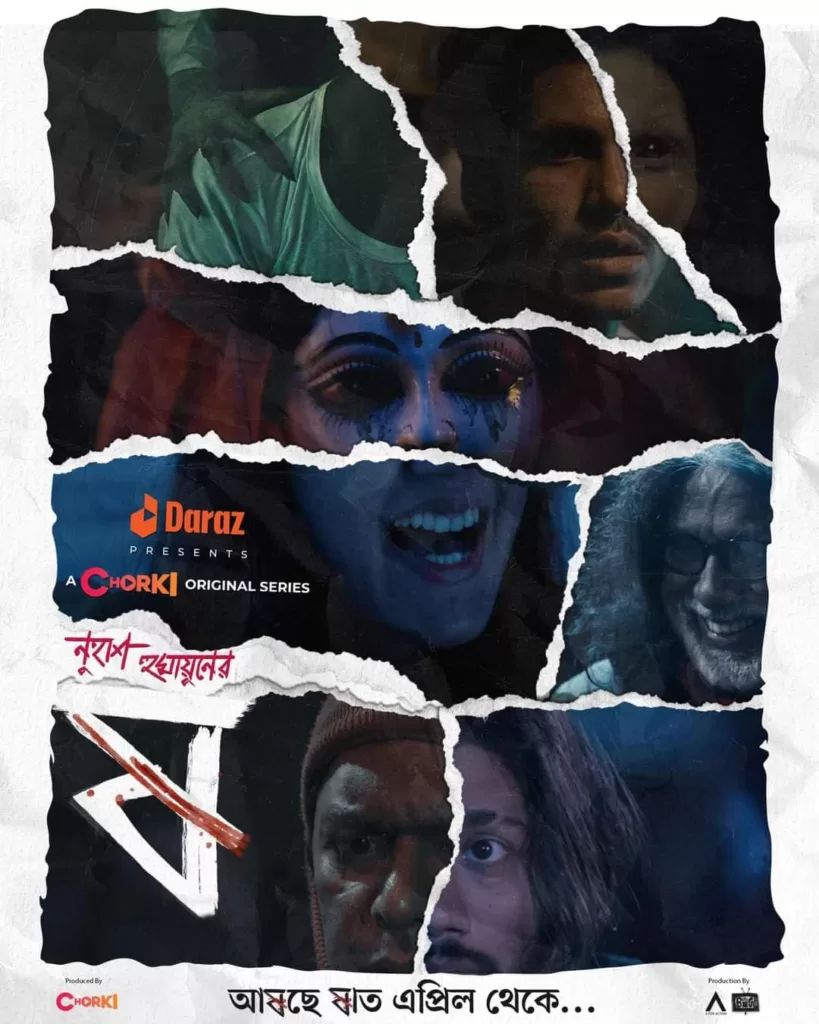
Pett Kata Shaw (2022)
Pett Kata Shaw is a 2022 Bangladeshi horror web series. It is written and directed by Nuhash Humayun. While there have been many attempts to connect folktales with younger audiences, this OTT series can achieve monumental milestones.
Otibeguni
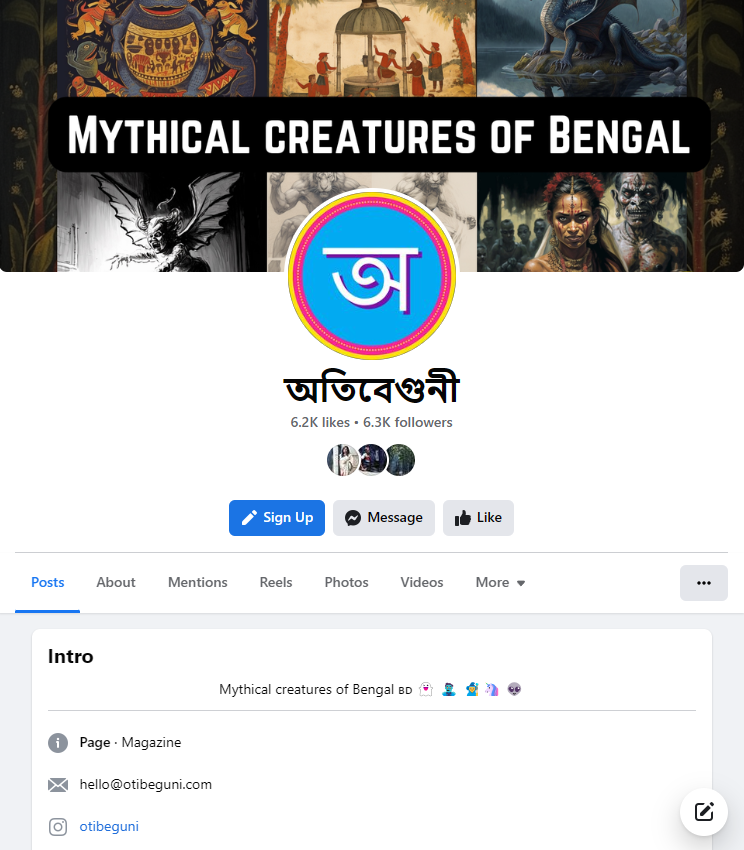
Otibeguni is a project run by five people who are reading through every Bengali and tribal folktale they can collect, and compiling them into a beautifully illustrated book called The Mythical Creature of Bengal. Their current catalog has more than 100 creatures.
Their first Bengali illustrated book is expected to come in the coming book fair. Meanwhile, you can check their regular work on their facebook page.
#thakurmarjuly by
Masu Ake
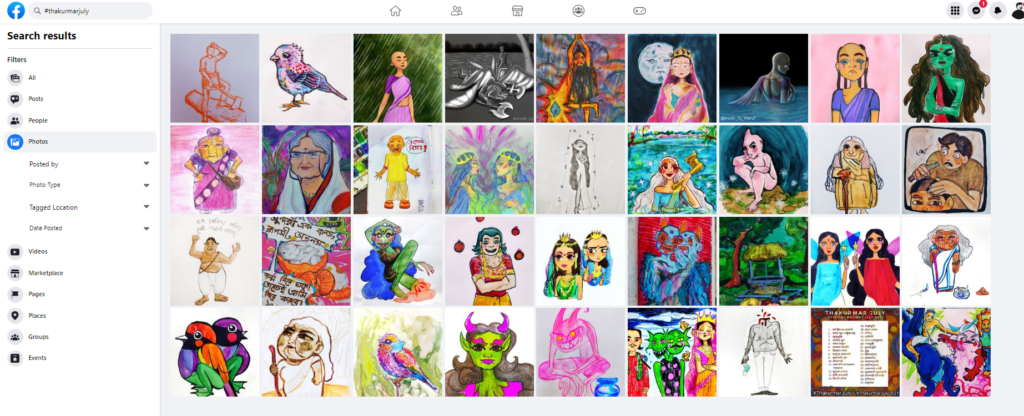
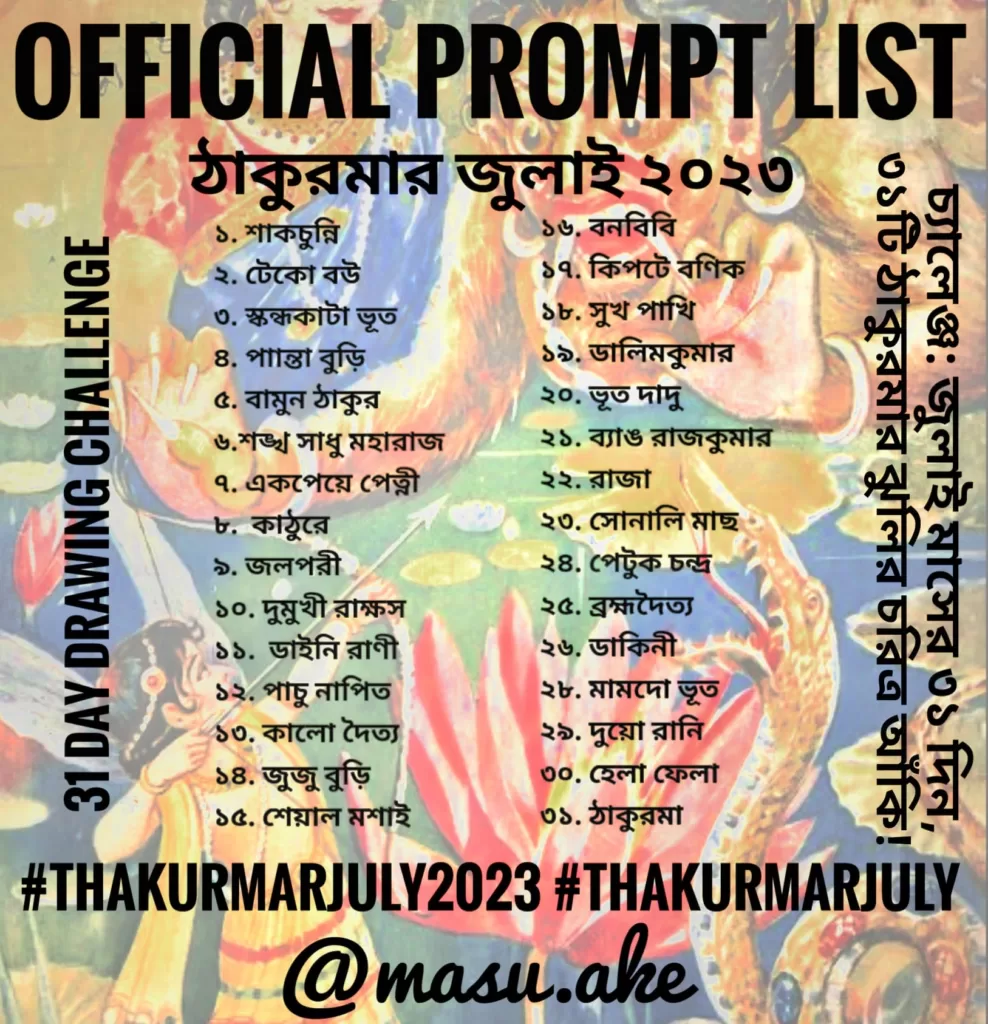
Masuda Khan, famously known for Masu Ake, started a drawing challenge called #Thakurmarjuly on Facebook. The challenge invites people to draw characters from different episodes of the popular animation series “Thakurmar Jhuli” with the mentioned hashtag. The challenge first initiated during the COVID-19 pandemic, but it has been going on ever since because of the huge response from netizens. The most amazing thing about this challenge is that it connects the younger generation with the old folktales through their own involvement. They are creating memories with the same old characters that might have scared their great-great-grandparents when they were at kids.
We live in a time of amazing scientific and technological advances, but we often feel lost and disconnected from our roots. We tend to dismiss folklores as irrational or backward, without appreciating the deeper metanarrative and messages they convey. Folklores are not just literal stories, but reflections of our ancestors’ emotions and experiences. If we can separate the myths from the truths, we can find a way to relate to them and learn from them. People are using their imagination and modern skills to recreate folklore and fairy tale characters in new and exciting ways that the original storytellers could never have dreamed of. It’s wonderful to see how creativity and innovation can preserve our shared heritage.